The distinction between a 220V and a 380V heating tube:
The distinction between a 220V and a 380V heating tube:
1. Various electrical appliances are applicable.
380 V is the voltage difference between two phase lines, which is commonly used in power demand and other large-capacity electrical appliances; 220 V is the voltage difference between a phase line and a zero line, which is commonly used in lighting and small electrical appliances.
In 2, the applicable electrical phase is different.
380V is generally suitable for the control of three-phase motors and other electrical equipment that is not allowed to lack phase, which generally takes A and C phases. Possible magnet release with phase loss fault 2/3/ It is easy to check the fault with a pen. The 220V control is generally suitable for individual power extraction. multiple shares Load is not related to control. Use the pen to check the fault generally.
3.0 The optional wire is different:
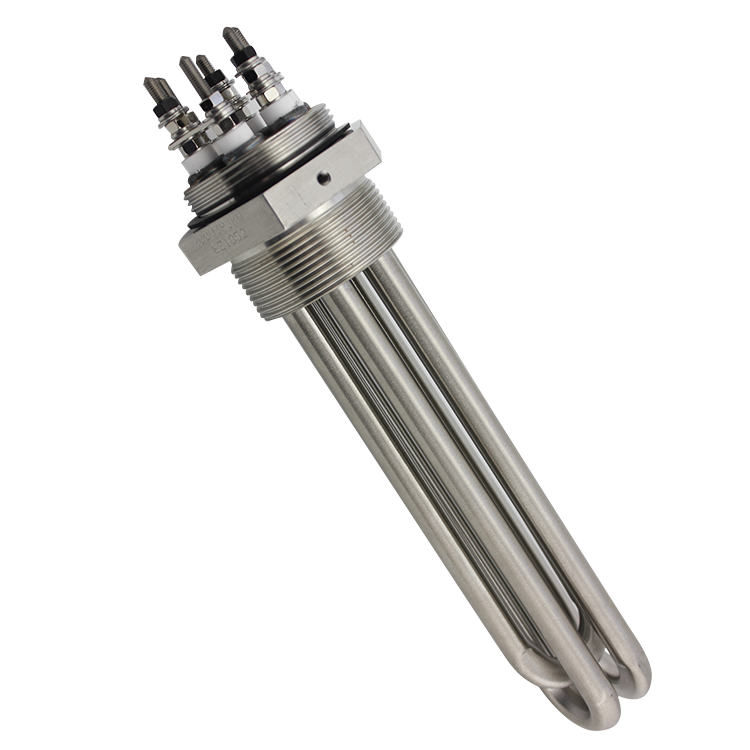
380V heating tube needs to be three-phase power supply, so in the choice of wire, to be fine; 220V heating pipe in the choice of wire, to be thicker, but the number of wires needs to be less than 380. It can be said that each has its own advantages.
Second, there is no specific distinction between safety and voltage. 380V and 220V heating tubes under the same power. Their heating efficiency is the same. Their safety is the same.
Extended Information

Matters needing attention when choosing the heating tube:
1. The most commonly used material is stainless steel 304. The working environment is generally divided into dry firing and liquid heating. If it is dry fired, such as for ovens and air duct heaters, it can be made of carbon steel or stainless steel 304.
If it is heating liquid water with a stainless steel electric heat pipe, generally stainless steel 304 material, oil can be made of carbon steel or stainless steel 304. You can use stainless steel 316 material with weak acid and alkaline liquid. Because the liquid contains only strong acids, the tube should be made of stainless steel 316, PTFE, or even titanium.
2, according to the working environment to determine the power of the heating tube. The setting of power is mainly for dry-burning electric heat pipes and liquid heating. For dry-burning, generally one meter long pipe to do 1KW; for heating liquid, generally one meter long pipe to do 2-3KW; the maximum is not more than 4KW.
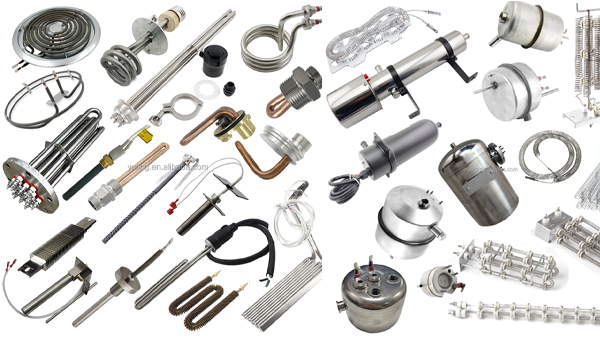
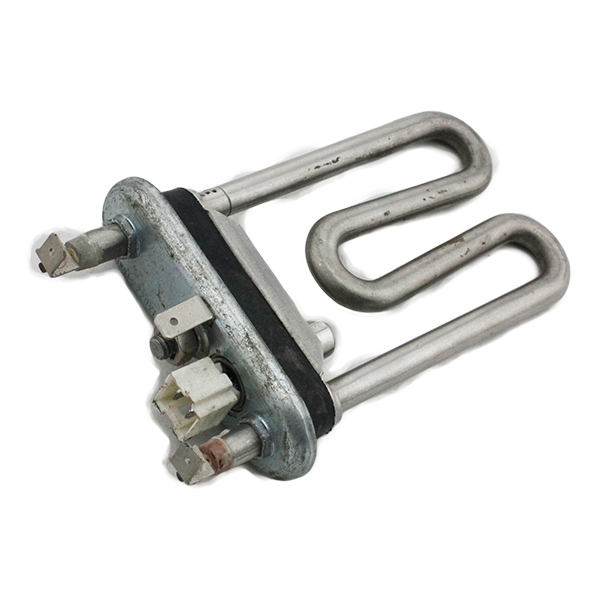
3, according to the customer's electric heating equipment to choose the shape of the heating tube. The shape of stainless steel heating tubes varies; the most simple is the straight bar, followed by the U-shaped and special-shaped. The specific situation uses the specific shape of the electric heat pipe.
4. According to the use of the customer's heating pipe to determine the wall thickness of the heating pipe, the general wall thickness of the heating pipe is 0.8 mm, but according to the working environment of the heating pipe, such as the case of high water pressure, the need to use the wall thickness point of seamless stainless steel pipe to make electric heat pipe
5. Ask the manufacturer about the internal material of the heating control when buying
The heating tube is similar in appearance for many reasons, but the price will have a large error. That is the internal material inside. The two most important materials inside are insulation powder and alloy wire. Poor people will use quartz sand; the good will use insulation modified magnesium oxide powder.
Nickel-chromium alloy wire can be used for general use of iron-chromium aluminum alloy wire depending on the requirements and grade of pipe production. As the saying goes, you get what you pay for.
Take you through the heating element
Is the drum washing machine automatically heated